

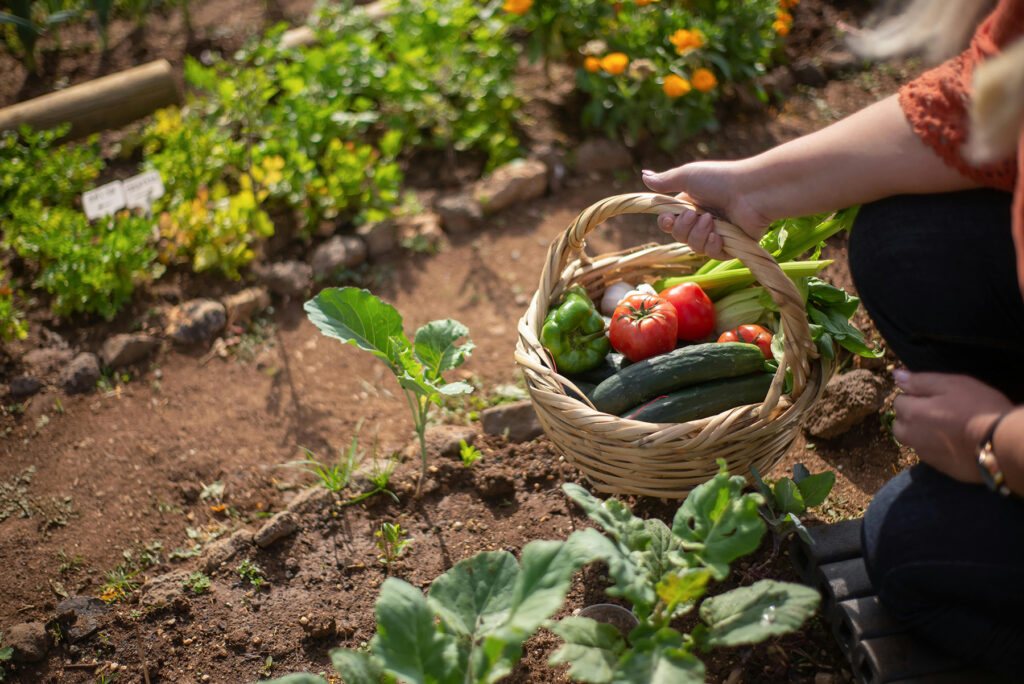
The Future of Food Is Regenerative: Here’s Why It Matters
As climate change intensifies and global demand for food rises, one thing is clear: our current agricultural system is broken. Industrial farming practices have depleted soil, polluted water, accelerated carbon emissions, and left many communities without access to healthy, nutritious food.
But there is hope—and it’s growing from the ground up. Regenerative agriculture offers a bold, nature-based path forward. It’s more than a buzzword. It’s a transformative system that is shaping the future of food.
In this blog, we’ll explore how regenerative agriculture works, its benefits for people and the planet, and why it’s becoming the cornerstone of sustainable food systems worldwide.
What Is Regenerative Agriculture?
Regenerative agriculture is a holistic approach to farming that goes beyond sustainability. Rather than simply minimizing environmental harm, regenerative practices aim to restore and revitalize ecosystems, enhance biodiversity, and improve the health of the land.
At its core, regenerative agriculture is about working with nature—not against it.
Key principles include:
- Building healthy soil through compost, cover crops, and no-till methods
- Rotational and holistic grazing to regenerate grasslands
- Integrating crops and livestock for natural nutrient cycling
- Promoting biodiversity on and around farms
- Capturing carbon through photosynthesis and storing it in the soil
These practices help regenerate land that has been degraded by years of chemical use and monoculture farming—laying the groundwork for a truly climate-friendly farming system.
Why Our Current Food System Is Failing
Before we look to the future, we need to understand what’s broken.
Industrial agriculture may feed billions—but it comes at a massive cost:
- Soil degradation: One-third of the world’s soil is already degraded
- Water overuse: Agriculture consumes over 70% of freshwater globally
- Greenhouse gas emissions: Food production contributes nearly 30% of total emissions
- Biodiversity loss: Monocultures and pesticides have decimated pollinators
- Nutritional decline: Soils stripped of nutrients lead to less nourishing food
This system is not sustainable. To feed the planet in the coming decades, we need a food system that not only produces more—but does so in a way that heals the planet, supports farmers, and nourishes communities.
Regenerative Agriculture Benefits: Why It Works
Regenerative agriculture doesn’t just sound good on paper—it’s delivering real-world results across environmental, economic, and human health indicators.
Soil Regeneration
- Increases organic matter and microbial activity
- Boosts crop yields naturally over time
- Improves water retention and reduces erosion
Carbon Sequestration
- Soils become carbon sinks, pulling CO₂ out of the atmosphere
- One acre of regenerative land can store up to 5 tons of carbon annually
Biodiversity Boost
- Restores habitat for pollinators, birds, and beneficial insects
- Creates a more resilient and self-regulating farm ecosystem
Farmer Profitability
- Reduces reliance on costly inputs like synthetic fertilizers and pesticides
- Opens doors to carbon credit markets and regenerative supply chains
Community Resilience
- Supports local food systems and food sovereignty
- Creates healthier working conditions for farmers and farm workers
These benefits make regenerative agriculture a scalable, resilient solution to some of the most pressing global challenges.
The Role of Regenerative Agriculture in Sustainable Food Systems
The future of food isn’t just about feeding more people—it’s about feeding them better, and in harmony with the planet.
Sustainable food systems prioritize:
- Nutritional value over volume
- Local supply chains over global exploitation
- Regenerative land use over extractive models
- Justice and equity for farmers and communities
Regenerative agriculture helps achieve these goals by integrating ecological health, economic viability, and social equity into a unified system.
And major players are starting to take notice—from brands like Patagonia Provisions and General Mills to global initiatives like Regenerative Organic Certification and the UN Decade on Ecosystem Restoration.
How You Can Support the Future of Food
Everyone plays a role in shaping the future of our food system. Whether you’re a consumer, farmer, policymaker, or entrepreneur, here are ways to get involved:
As a Consumer:
- Buy from farmers who use regenerative practices
- Support brands committed to regenerative sourcing
- Eat seasonally and locally whenever possible
- Reduce food waste and compost organic scraps
As a Farmer or Land Steward:
- Transition to regenerative practices like cover cropping and holistic grazing
- Apply for support programs and soil health incentives
- Join regenerative agriculture communities and cooperatives
As an Advocate or Leader:
- Push for regenerative food policies and subsidies
- Invest in regenerative agriculture startups or co-ops
- Educate others about the difference between sustainability and regeneration
Every action, no matter how small, moves us closer to a food future that nourishes both people and the planet.
Join the Regenerative Food Movement
At the Regenerative Action League, we believe that regenerative agriculture is not just an option—it’s a necessity. Our mission is to support the farmers, food producers, researchers, and changemakers building a climate-resilient food future.
Whether you’re looking to transform your backyard, your business, or your community—we’re here to help you grow.