

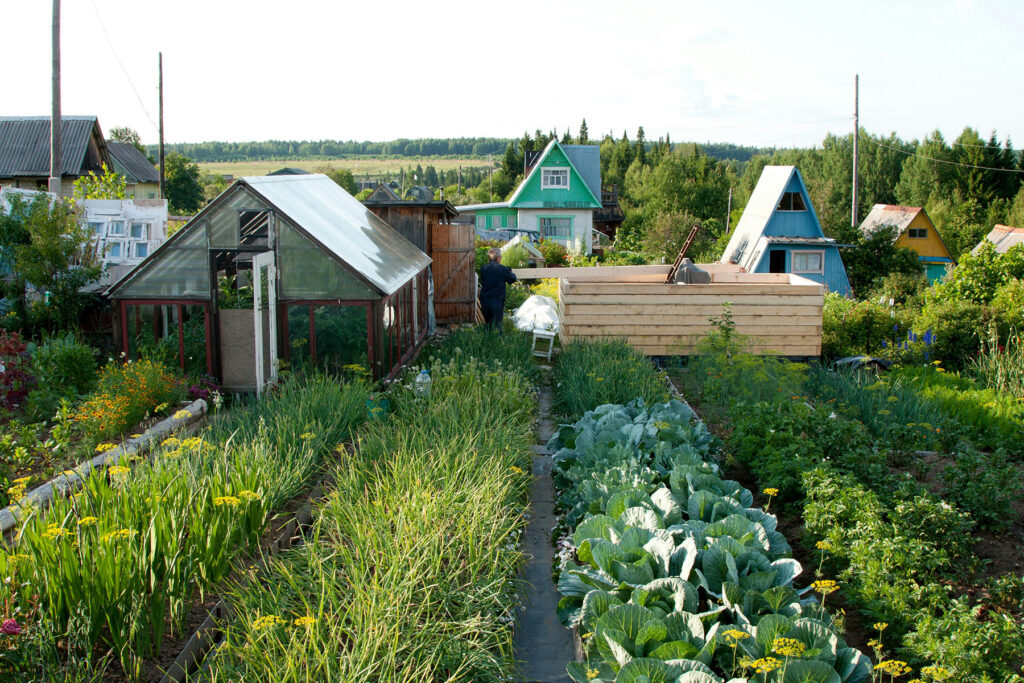
Regenerative Gardening: How to Turn Your Backyard into a Climate Solution
You don’t need a farm or acres of land to help restore the planet—you can start right outside your back door. Regenerative gardening is an eco-friendly, climate-positive way to transform your backyard into a thriving, living system that benefits both you and the Earth.
Unlike traditional gardening, which often focuses on aesthetics or yield, regenerative gardening goes deeper. It’s about building soil health, supporting local biodiversity, and creating closed-loop ecosystems that give back more than they take.
Whether you’re working with a small patio or a large yard, this guide will show you how to build a regenerative garden at home—one that heals the soil, captures carbon, and becomes part of the climate solution.
What Is Regenerative Gardening?
Regenerative gardening is a practice rooted in the principles of regeneration—restoring soil, fostering biodiversity, and designing natural systems that renew themselves over time. It borrows techniques from permaculture, regenerative agriculture, and ecological landscaping, but applies them to the home garden scale.
Key goals of regenerative gardening include:
- Improving soil fertility naturally
- Creating habitat for pollinators and wildlife
- Reducing or eliminating synthetic inputs
- Capturing and retaining rainwater
- Sequestering carbon in soil and plant biomass
In short, a regenerative garden is a mini-ecosystem that supports life in all forms—plants, microbes, insects, and humans alike.
Step-by-Step: How to Build a Regenerative Garden at Home
Here’s how you can turn your backyard into an eco-restorative oasis:
1. Start with Soil Health
The foundation of any regenerative garden is healthy soil. Avoid tilling, which disrupts soil structure and microbes. Instead:
- Add organic compost and mulch to build structure and retain moisture
- Use cover crops like clover or vetch in off-seasons to enrich the soil
- Incorporate biochar to enhance carbon retention and microbial activity
Healthy soil stores more carbon, holds more water, and supports more plant life—making it essential to eco-friendly landscaping.
2. Plant for Diversity and Resilience
Diversity is key in nature—and in regenerative gardening. Grow a mix of native plants, herbs, vegetables, and flowers that:
- Attract pollinators and beneficial insects
- Resist pests naturally
- Provide food for birds and local wildlife
- Enrich the soil through deep roots and natural nitrogen fixation
Consider adding perennials, which require less water and disturbance than annuals, and companion planting to enhance growth and prevent disease.
3. Mulch, Don’t Bare Soil
Keep your soil covered at all times with organic mulch like wood chips, straw, or shredded leaves. This:
- Prevents erosion and compaction
- Suppresses weeds naturally
- Maintains soil temperature and moisture
- Feeds soil microbes as it breaks down
Think of mulch as the garden’s natural armor—it protects and nurtures the ecosystem beneath.
4. Capture Rainwater and Reuse Greywater
Water is a precious resource. Regenerative gardens are designed to conserve and recycle every drop.
- Install rain barrels to collect roof runoff
- Create rain gardens to absorb and filter excess water
- Redirect greywater (from sinks or showers) to irrigate ornamental plants
- Use swales or berms to slow, spread, and soak water into the ground
This makes your garden more drought-resilient and reduces runoff pollution.
5. Say No to Chemicals
Skip the synthetic fertilizers, pesticides, and herbicides. These chemicals harm beneficial insects, leach into waterways, and degrade soil biology.
Instead:
- Use natural compost, worm castings, and compost tea
- Introduce beneficial insects like ladybugs and lacewings
- Remove pests by hand or with neem oil or soap sprays
- Grow disease-resistant plant varieties suited to your local climate
6. Close the Loop
A regenerative garden mimics nature’s cycles—nothing is wasted.
- Compost your food scraps and garden trimmings
- Save seeds and propagate plants from cuttings
- Feed kitchen waste to chickens or worms (vermicomposting)
- Create mini “food forests” with layered plants: canopy trees, shrubs, herbs, and groundcovers
Closing the loop helps your garden become self-sustaining, reducing outside inputs and environmental impact.
Sustainable Backyard Ideas to Amplify Your Impact
Looking to level up your regenerative gardening efforts? Try these backyard upgrades:
- Install a pollinator hotel or bat box to support wildlife
- Create a no-mow wildflower zone for bees and butterflies
- Grow native edible plants that thrive in your region
- Build a hugelkultur bed—a mound garden that mimics forest floors
- Add a composting toilet or solar dehydrator for off-grid sustainability
Each small shift contributes to a healthier, more regenerative planet.
Why Regenerative Gardening Matters
Regenerative gardening may seem small in scale—but multiplied across thousands of backyards, balconies, and community spaces, the impact is massive. These gardens:
- Sequester atmospheric carbon
- Improve local food security
- Restore pollinator populations
- Protect against flooding and drought
- Reconnect people with nature and land stewardship
It’s one of the most accessible, joyful, and impactful ways you can take climate action from home.
Ready to Regenerate Your Backyard?
The Regenerative Action League (RAL) is here to help you turn your outdoor space into a force for good. Whether you’re just planting your first seed or designing a food forest, we offer the tools, resources, and support to make your regenerative gardening journey a success.